Patan:-
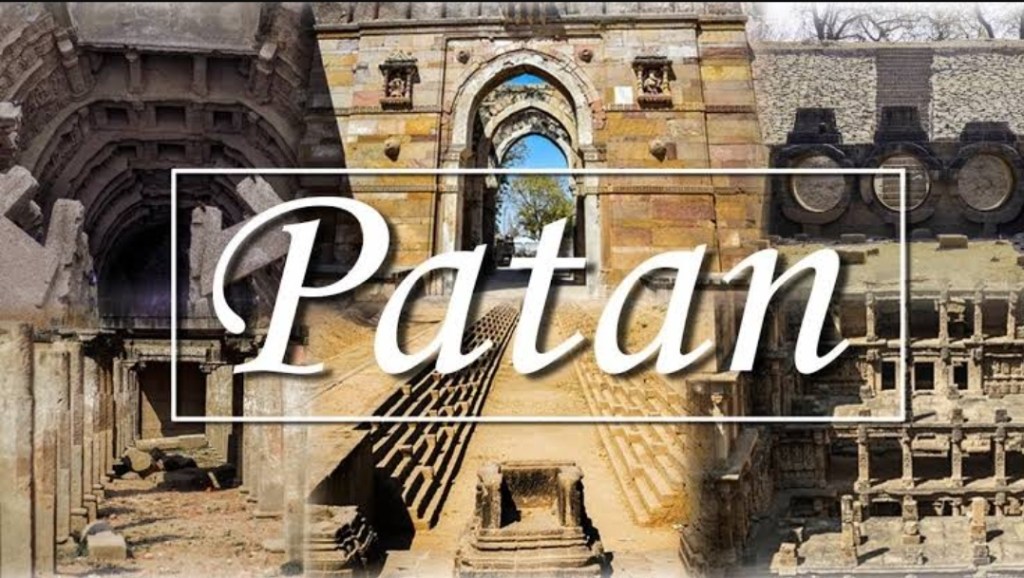
Patan was the capital of Gujarat’s Chalukya Dynasty in medieval times. It is said to have been established by Vanraj Chavada , a Chavda king . The city has had an old history, with several Hindu and Muslim dynasties making it a thriving trading city and a regional capital of northern Gujarat. It was also known as ‘Anhilpur-Patan’.
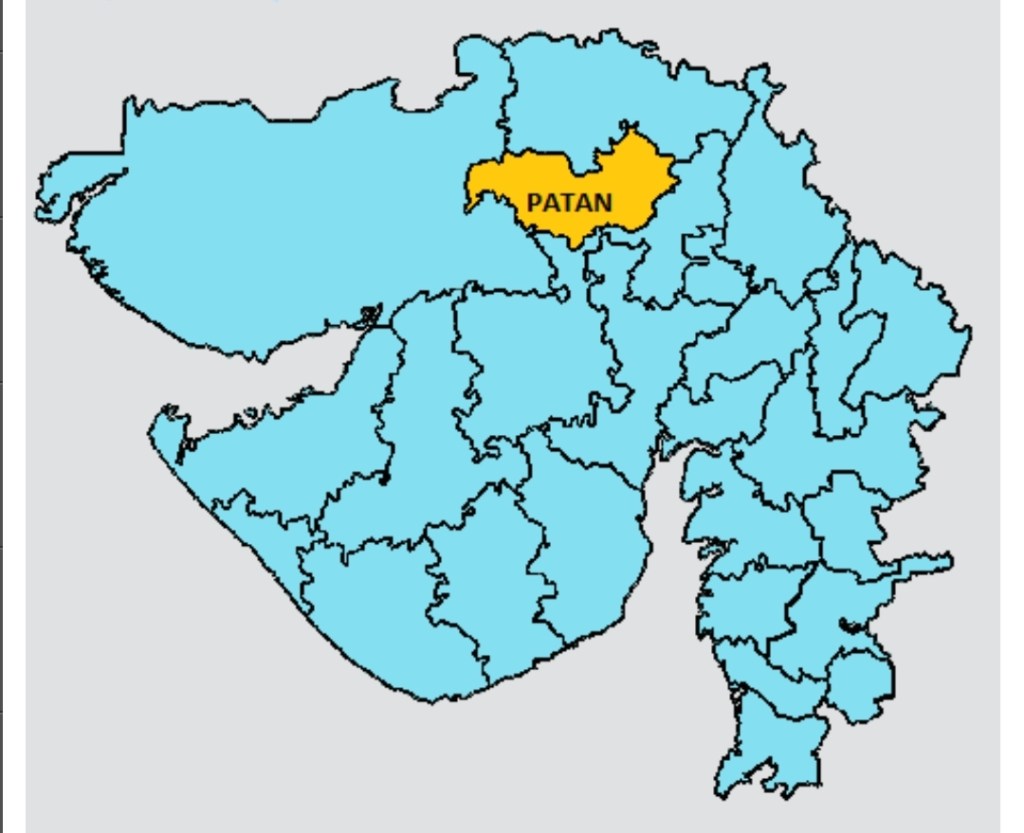
The modern city it is the administrative seat of patan District the Indian state of Gujarat and is an administered municipality. The city contains many Hindu and jain temples as well as moscues , draghe and rojas.
It is a historical place located on the bank of the now extinct Saraswatiriver.which is probably what remains of the ancient Saraswatiriver. Patan has an old market which is quite sizeable .
Patan District was form including patan, siddhpur, chanasma, Harij and sami Talukas of Mahesana district and radhanpur and santalpur Talukas of Banaskantha District. The headquarter of the District is Patan. There are many Hindu temples and Jain Temple in the district .
Rani ki vaav:-
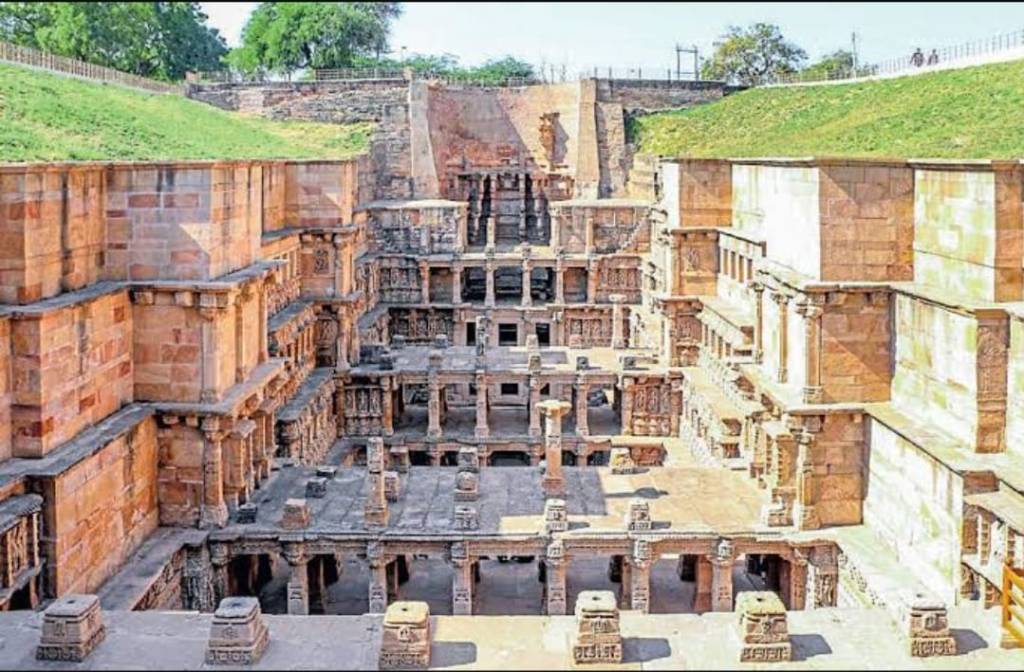
Rani ki Vav ( ’Queen’s stepwell’) is a stepwell situated in the town of Patan in Gujarat state of India. It is located on the banks of Saraswati river. Its construction is attributed to Udayamati, daughter of Khengara of Saurashtra, queen of the 11th-century Solanki dynasty and spouse of Bhima I. Silted over, it was rediscovered in 1940s and restored in 1980s by the Archaeological Survey of India. It has been listed as one of UNESCO’s World Heritage Sites since 2014.
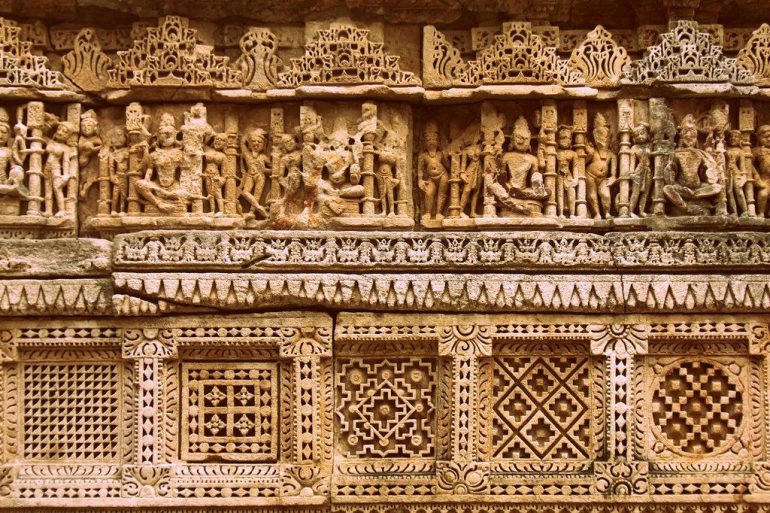
Rani-ki-vaav, on the banks of the Saraswati River, was initially built as a memorial to a king in the 11th century AD. Stepwells are a distinctive form of subterranean water resource and storage systems on the Indian subcontinent, and have been constructed since the 3rd millennium BC.
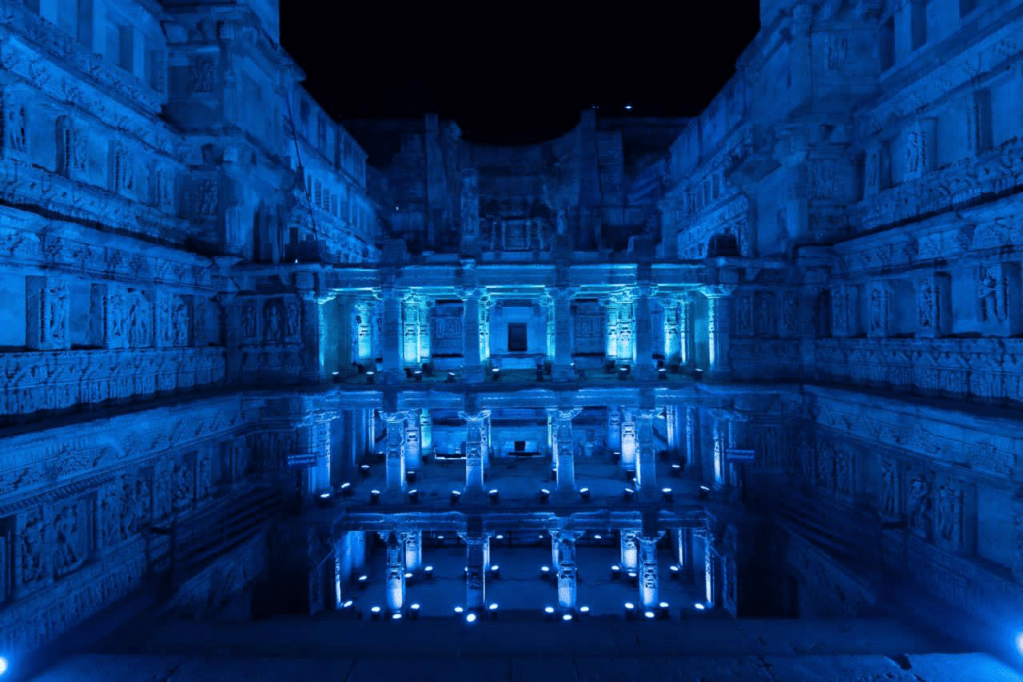
The only real sign of Patan’s former glory is this astoundingly beautiful step-well. Located on the banks of the Saraswati River, this is one of the oldest and finest stepwells in Gujarat and is remarkably preserved. Steps lead down through multiple levels with lines of carved pillars and more than 800 sculptures, mostly on Vishnu-avatar themes, as well as striking geometric patterns. The stepwell is made in the form of an inverted temple. It showcases superior craftsmanship of the era, and the unique Maru-Gurjara architectural style and houses sculptures similar to the Vimalavasahi temple in Mount Abu and Sun temple at Modhera
Sastraling talav:-
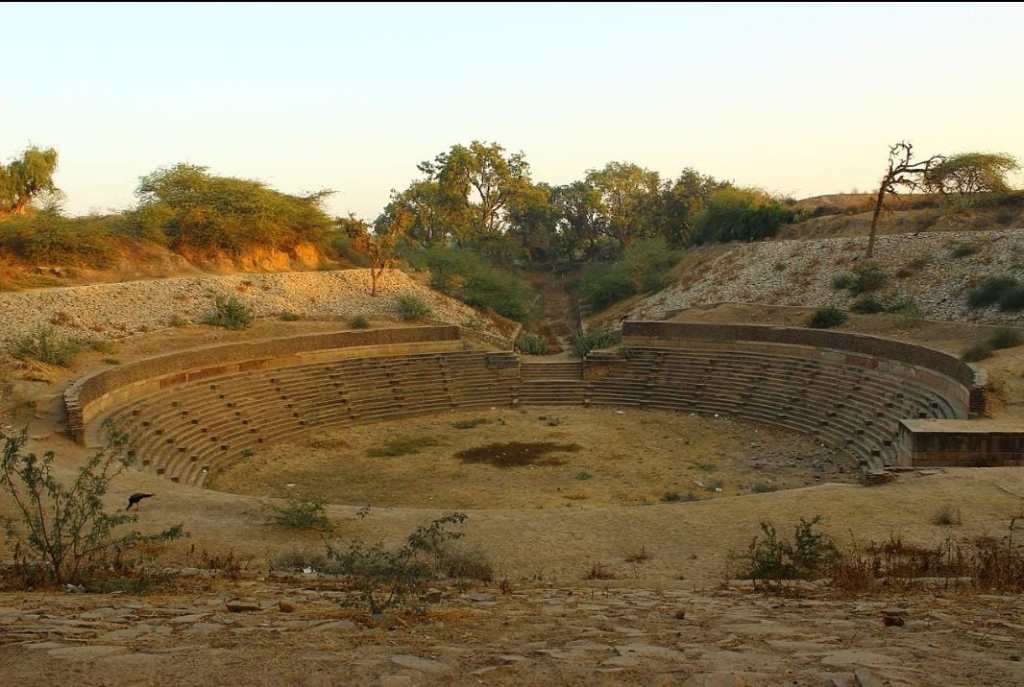
Sahasralinga Talav is a medieval artificial water talav in Patan, Gujarat, India. It was commissioned during Chaulukya (Solanki) rule, but now it is empty and in a ruined state. It is a Monument of National Importance protected by Archaeological Survey of India
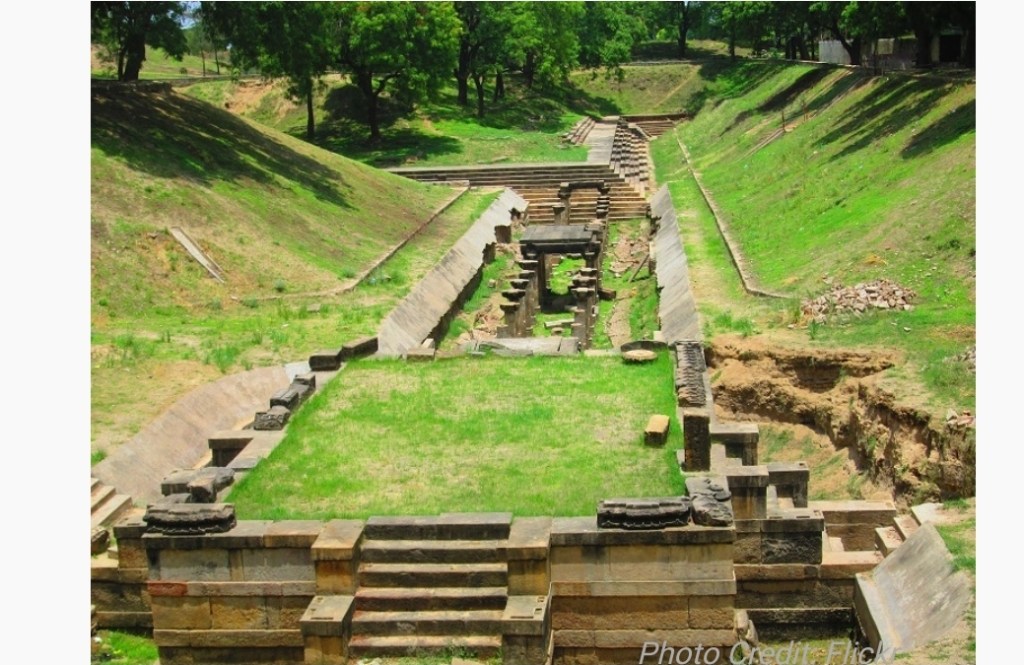
The Sahastraling Talao was originally known as Durlabh Saravor and was constructed by King Durlabh Raja and was repaired and renovated by King Siddharaj during 1093 – 1143 A.D. This is one of the biggest tank of the Solanki Period.
Patan patola:-
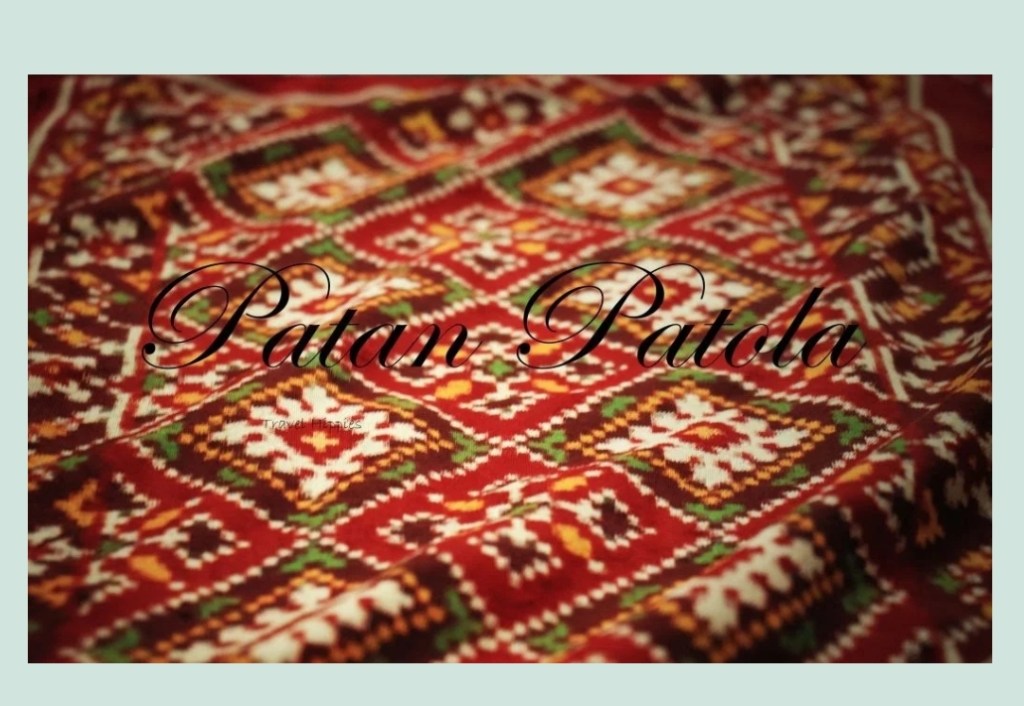
Patola is a double ikat woven sari, usually made from silk, made in Patan, Gujarat, India. The word patola is the plural form; the singular is patolu. They are very expensive, once worn only by those belonging to royal and aristocratic families. These saris are popular among those who can afford the high prices.

A double ikat weave, Patola sarees originated in the town of Patan in Gujarat. It is postulated that 700 silk weavers of the Salvi caste of Karnataka and Maharashtra moved to Gujarat in the 12th century to acquire the patronage of the Solanki Rajputs, the ruling class of Gujarat and parts of Rajasthan at that time.

One of the folk-song of Gujarat in which the wife asks her husband to bring for her patola of patan while returning, “Chelaji Re, Mare Hatu patan thi patola mongha lavjo”,(O my dear! Do bring the precious patola from patanfor me!) has remained very famous for the last so many years, and so is the fame, charm and popularity of patola even today.
12 gates:-
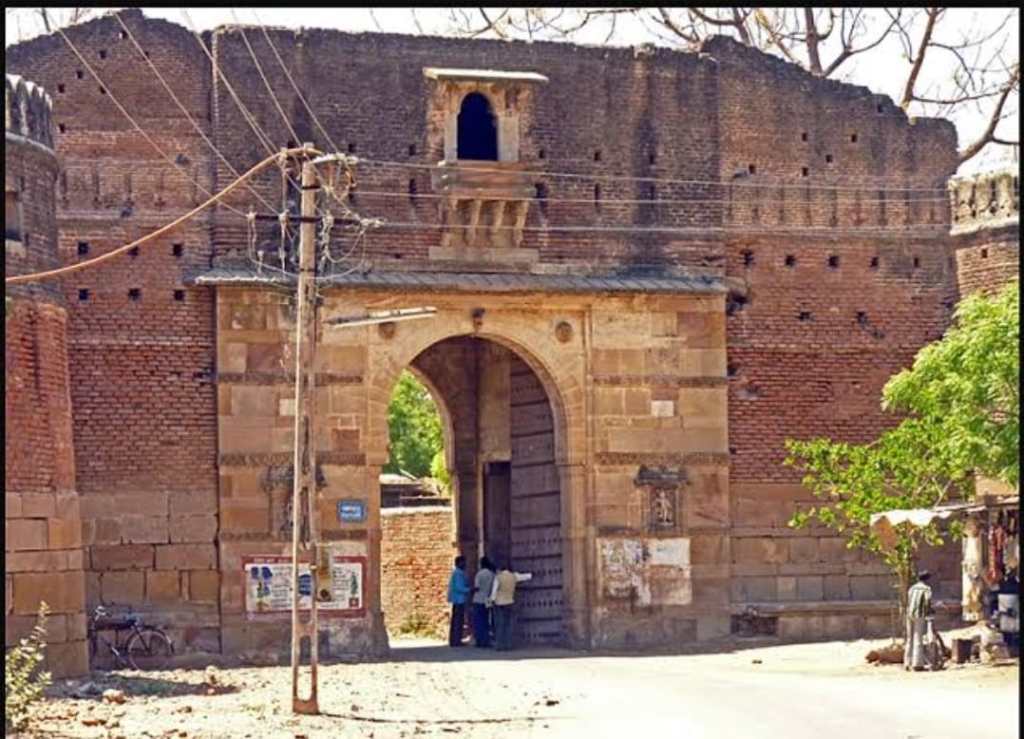
Bagwada, Chhidiya, Mira, Aghara, Kothakooe, Phatipaal (Fatipal), Ghoonghdi, Kanasda (also known as Kalika), Khansarovar, Motishah, Bhathi, Lal, 12th is door
Panchasara jain temple:-
The history of this city begins from the year 802 of the Vikram era when Vanraj
Chavda established this city with the chanting of Jain Mantras. He built a beautiful and splendid
temple in dedication to his Guru, Acharya Shri Sheelgunsuriji and installed the idol of
Parshvanath. The idol of this temple is still more ancient as it was brought here from Panchasara,
the capital of his ancestors and got the extraordinary idol installed here under the auspices of Shri
Sheelagunsuriji. This idol, therefore, became famous as Panchasara Parshvanath. This is one of
the ancient temples of Gujarat. This temple is also known as "Vanraj Vihar". Later on, Kings like
Vanraj, Moolraj, Siddhraj, and Kumarpal, and their Ministers built many temples here. In the 13th
century, Minister Aasaak renovated this temple. Vastupal also renovated this temple. In the list of
temples made by Shri Lalitprabhsurishvarji, in the year 1648 of the Vikram era, there were 101 big
temples and 99 small temples. In these temples, there were hundreds of idols and 38 of them were
made of gems. Between 1353 and 1356 of the Vikram era, Patan was invaded by Malik Kaafoor,
the Senapati of Alauddin. The city was destroyed including the temples. In course of time, the city
was rebuilt and the temples renovated. In respect of expansion, splendour, wealth, prosperity,
trade, bravery and compassion, this was a leading city. It was, therefore, known as the golden city.
Shri Hemchandracharya wrote many scriptures here. Even today, Patan has a treasure of Jain
literature, art and culture. In Vikram era 2011, this temple was built from base and the idol was
installed by Acharya Shri Samudrasurishvarji. Later on 51 small temples surrounding the big
temple were built and the idols were installed in Vikram era 2016.
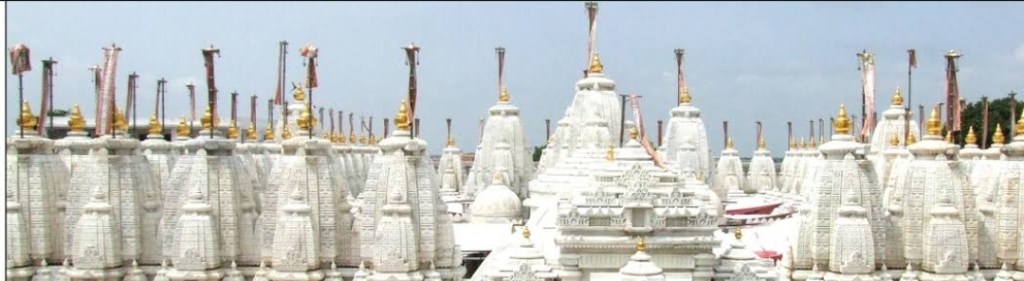
Panchasara Parshwanath Jain Derasar is one of the largest of more than 100 Jain temples in Patan. Dedicated to Shri Parshwanathji, it was built by King Vanraj Chavda around 746 CE. He brought the moolnayak idol from his native place Panchasara and hence called as Panchasara Parashwanath Bhagwan. Temple was destroyed by the Muslim invaders and again renovated in the course of time. The renovated Jinalaya of the past was made of wood and was rebuilt in stone during the 20th century. There are about 51 smaller temples surrounding the main temple.
Tran darwaja:-
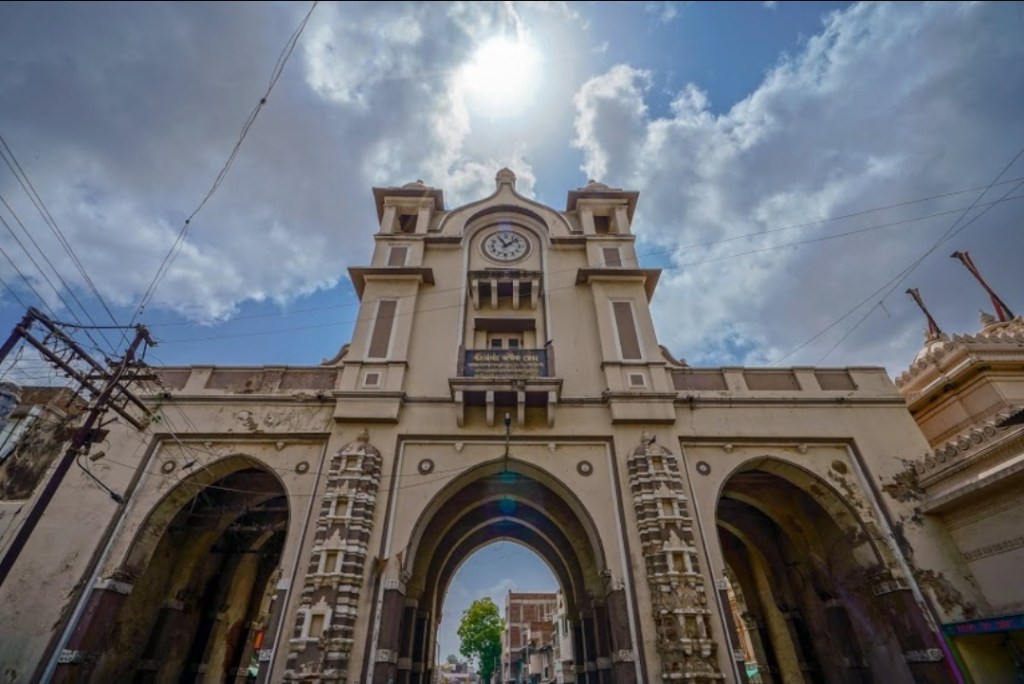
 The Heritage City Patan